
das.ohio.gov
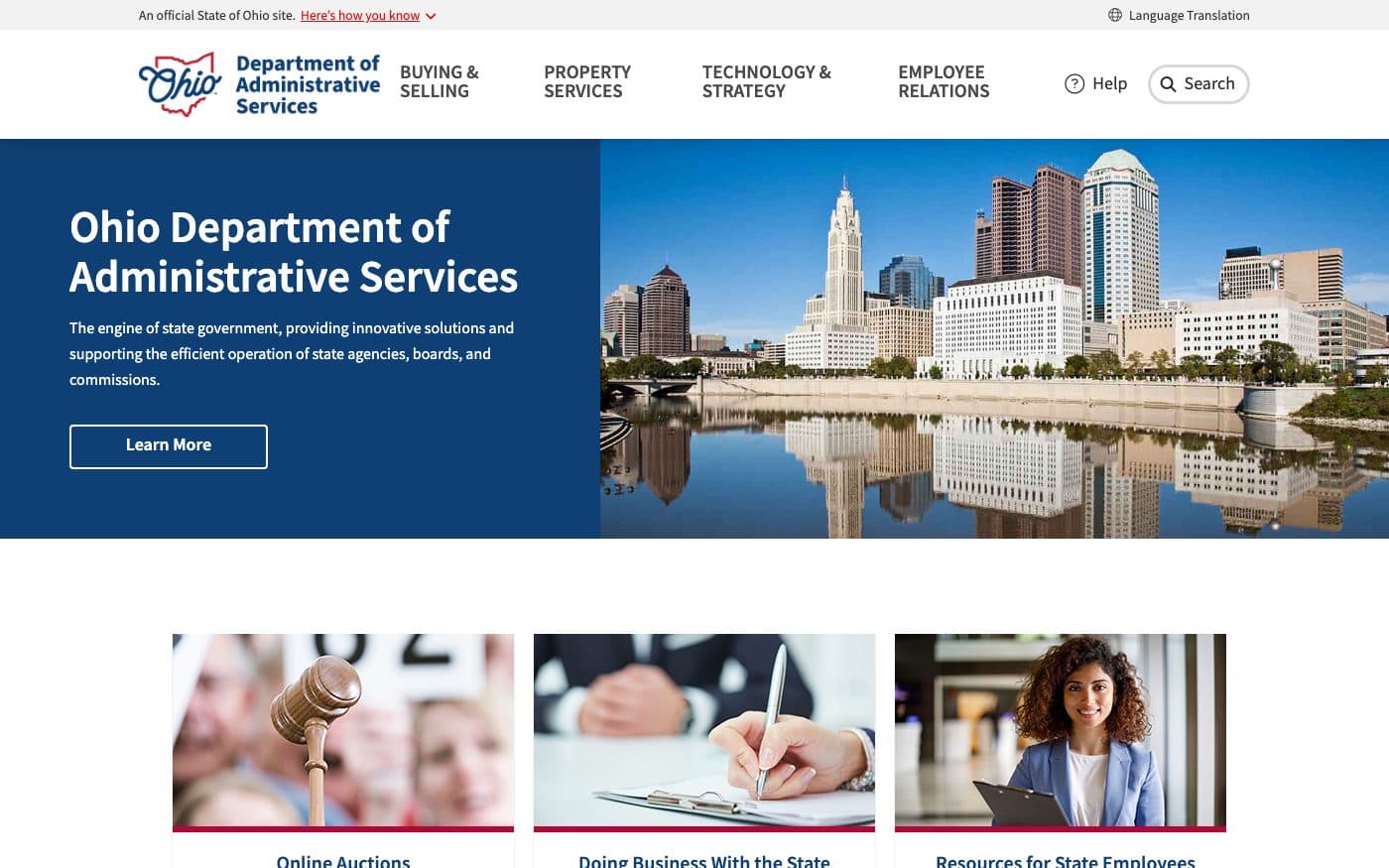
Public sector
State of Ohio · Department of Administrative Services
2023–2024
Ohio’s new brand on more than 60 State websites: one look Ohioans can recognize
- 60+
- State websites moved to the new Ohio brand, October 2023 – January 2024

Analytics cookies
We’d like to use Google Analytics cookies to learn how this site is used and improve it. Nothing is set unless you accept, and there are no advertising cookies. Change your mind anytime under “Cookie settings” in the footer. Privacy policy
We research with the people a service most often fails, including people with disabilities, and write content they can read the first time. Tech4Me went from 74 questions to 11, at a 3rd–6th-grade reading level.
Schematic — client UI under NDA
Trusted by

We start with the people a service most often fails — people with cognitive, learning, sensory or motor disabilities, older adults, people on a small screen in a hurry — and design for them first. What works for them works better for everyone else.
Tech4Me is the clearest example. Its assessment belongs to Opportunities for Ohioans with Disabilities and was co-developed with researchers at Ohio State’s Nisonger Center and the Ohio Department of Developmental Disabilities. It asked 74 questions in clinical language and took 45–60 minutes. We researched with participants who included people with cognitive disabilities, rewrote it at a 3rd–6th-grade reading level and showed one decision at a time: 11 questions, 5–10 minutes, WCAG 2.1 AAA. The work took 1st place in Research for Social Good at the 2026 Optimal Experience Awards.
01What we deliver
Participants who reflect who uses the service, with dignity built into the research protocol.
Content rewritten to a reading level you choose and test, not guess: 3rd–6th grade for Tech4Me.
Progressive disclosure and shorter journeys, so long processes stop being barriers.
Where your portal, app or site breaks for the people using it, and a baseline to measure improvement against.
Content inventories and tree tests with real audiences, as we ran for the Ohio Department of Job & Family Services.
Interfaces that work for older adults too, as in InverCap’s streamlined, accessibility-first redesign.
02How an engagement runs
Interviews and observation with the people who use the service, including people with disabilities.
A clickable prototype with the content written plainly from the start.
Usability tests with participants, and reading-level checks on every screen.
AI: research synthesis drafts the themes; researchers check them against the sessions.
A design your team can build to, with the content and accessibility decisions written down.
03Results
Opportunities for Ohioans with Disabilities, with Ohio State’s Nisonger Center and DODD, 2025–2026.
04
State of Ohio · Department of Administrative Services
2023–2024
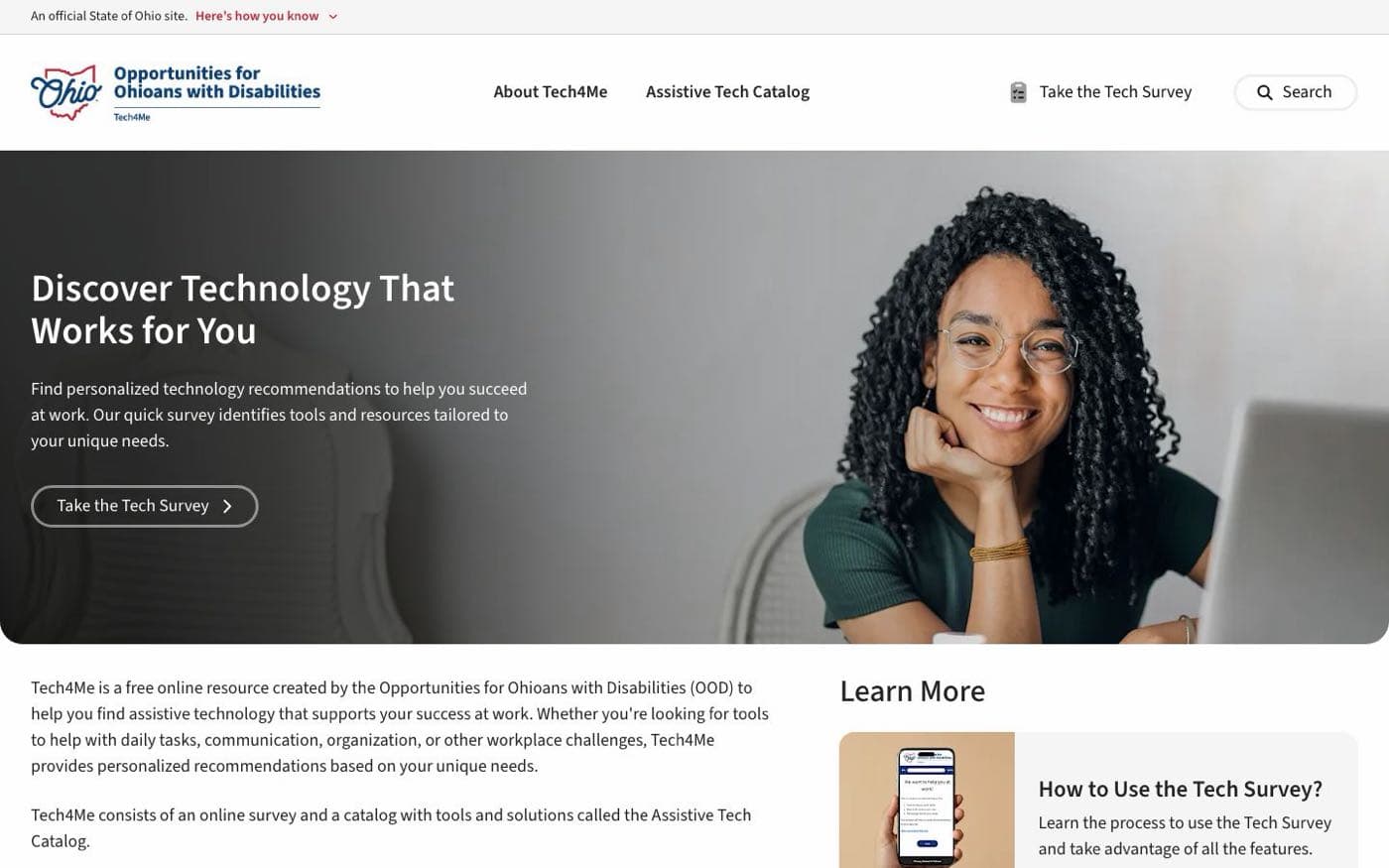
Opportunities for Ohioans with Disabilities
2025–2026
Schematic — client UI under NDA
Aspirus Arise (WPS Health Insurance)
2015–2017
Book 30 minutes with the senior people who would do the work.
Or write to info@base22.com